Sessions
2026 Wisconsin Permaculture Convergence Sessions
Keynote
Seed Saving
As we face questions about food security, genetic diversity, and the future of our farms, seed saving stands as both a practical skill and a powerful statement. Through Mike's keynote, you'll gain insight into why robust seed saving systems matter—for your homestead, farm, region, and our collective food future.
Mike Bollinger
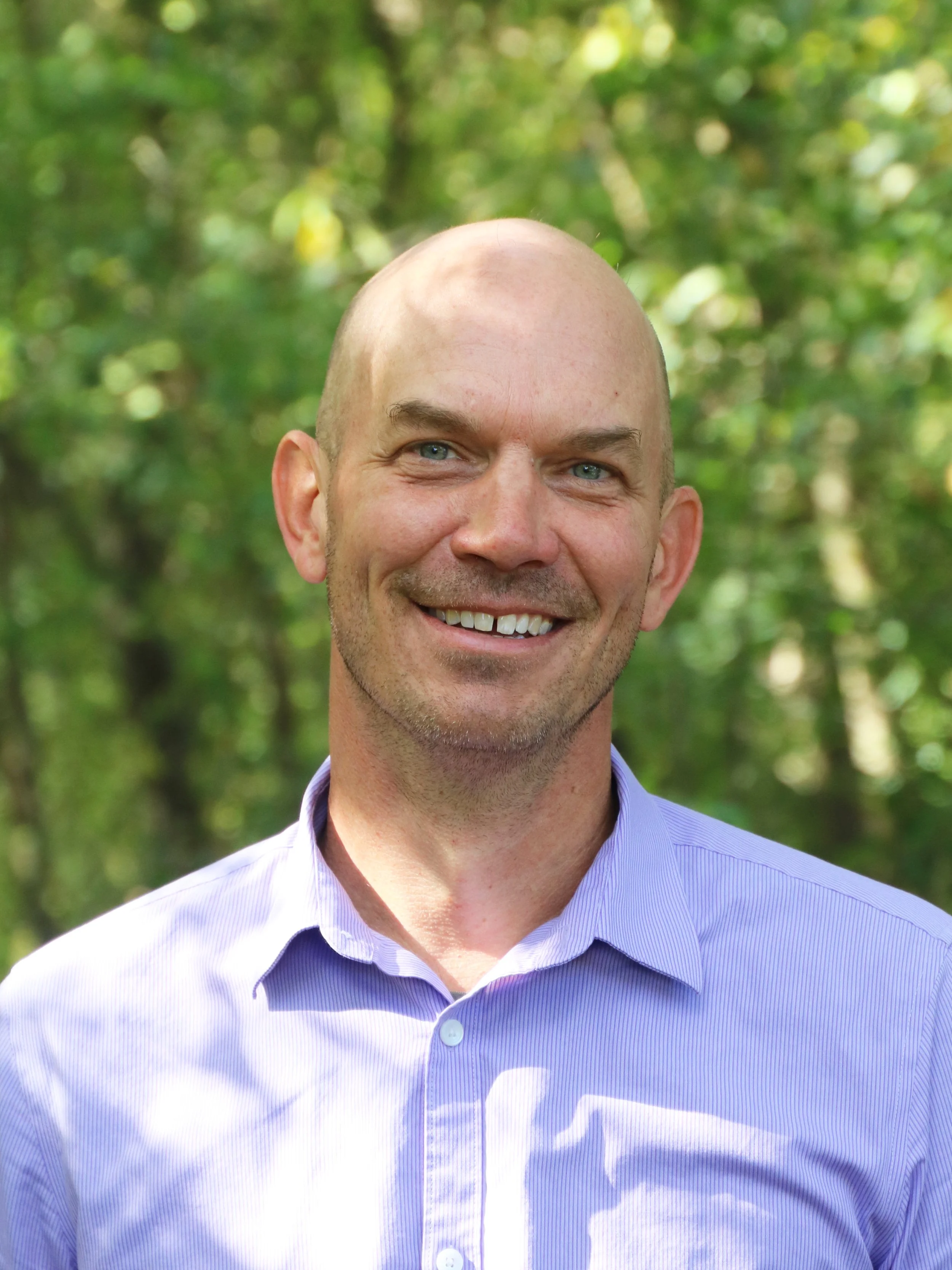
Mike Bollinger is the current executive director at Seed Savers Exchange and also co-owner of River Root Farm, a certified organic vegetable farm and greenhouse operation in Decorah, Iowa. For nearly two decades, he has focused his energy on local food production and farmer education. Mike not only has a practical understanding of organic and sustainable growing practices, he has also dedicated years supporting the development of resilient food systems, assisting organizations and businesses across the country. His belief in servant-based leadership and collaborative work environments shine through whether sharing the ins-and-outs of crop selection, plant production, or the value of robust seed regeneration systems.
Sound Bath
Join Ina and Kyle for a grounding mediation and sound bath. Step into this immersive space of peace and tranquility as you hear the vibrations of the universe from a wide array of Instruments.
Ina & Kyle Bolstad
Ina & Kyle are a heart centered soul couple that are passionate about sharing healing with other families. Ina is a sound healer, circle facilitator, and a loving steward of the earth. She has been facilitating ceremonies for many years and really enjoys holding spaces where children and families can tap in to do the work. To hold space for conversations to be birthed as families dive deep together to weave their dreams. Together Ina & Kyle dream big and are the facilitators behind Earth Vibe. They enjoy taking care of the land and sharing with others the gift of healing through sound.
Introduction to Wet felting and Needle Felting
Do you have sheep or access to wool? Learn to use wool roving for wet felting and needle felting projects. In this session, you will have the opportunity to create a one of a kind project, while learning needle felting and wet felting techniques.
Cheryl DeWelt
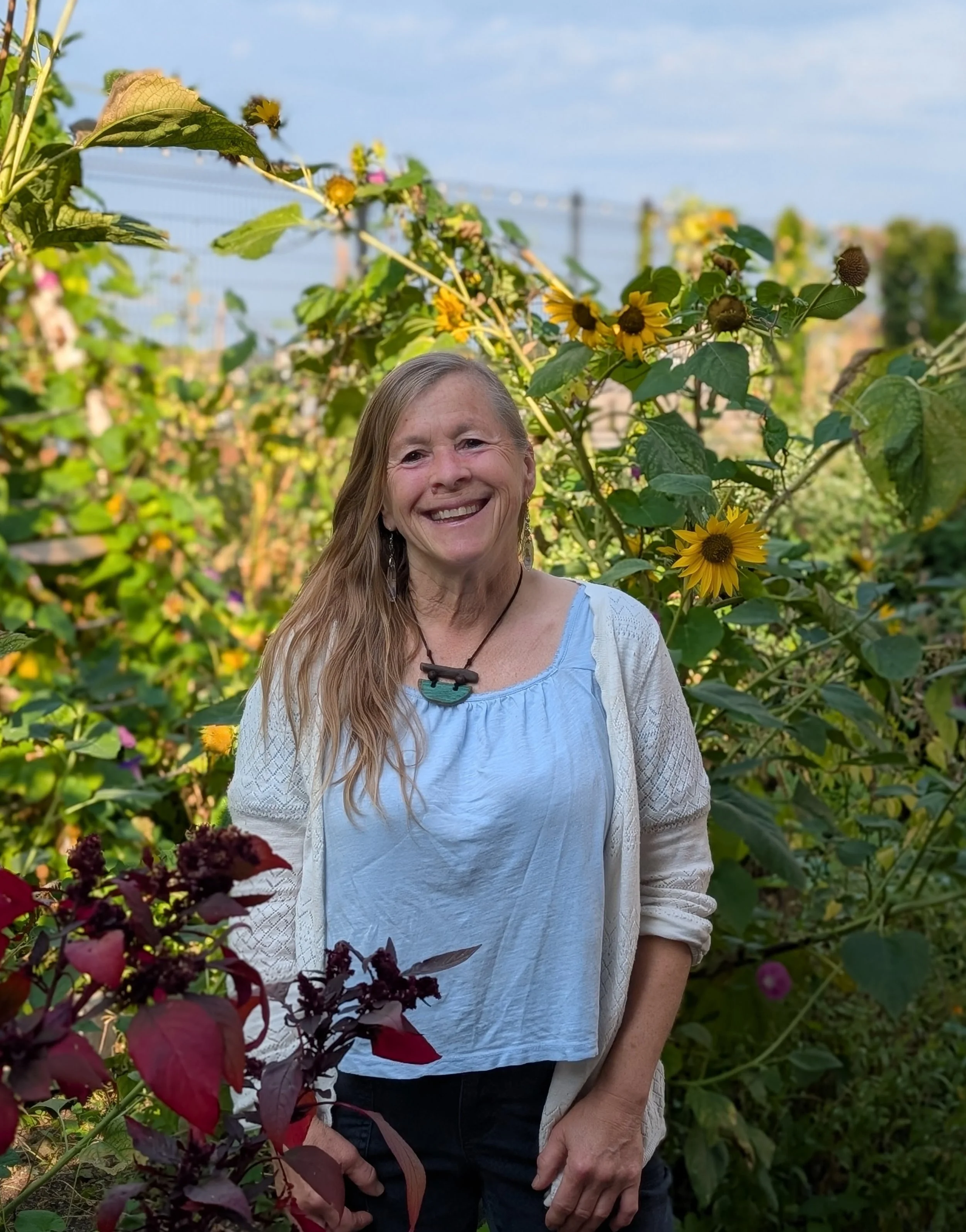
Cheryl DeWelt is an artist, horticulturalist, and environment educator. She has a degree from UW-Madison and a permaculture design certificate. She is the Environmental Education and Garden Manager at Madison Children's Museum and has worked at the museum for 16 years. She plays a critical role in developing curriculum around gardening, permaculture, environmental education, art, and STEM. She is also a working artist whose fiber arts and sculptures have been on display around Wisconsin. She uses felting techniques to build large puppets, small posable creatures, and 2-D installations.
Permaculture Merit Badges
SKIP (SKills to Inherit Property) is a free merit badge program for permaculture and homesteading. It provides structure for aspiring homesteaders to learn, allows them to prove their skills and connects them with older landowners looking for a steward for their property.
Mike Haasl
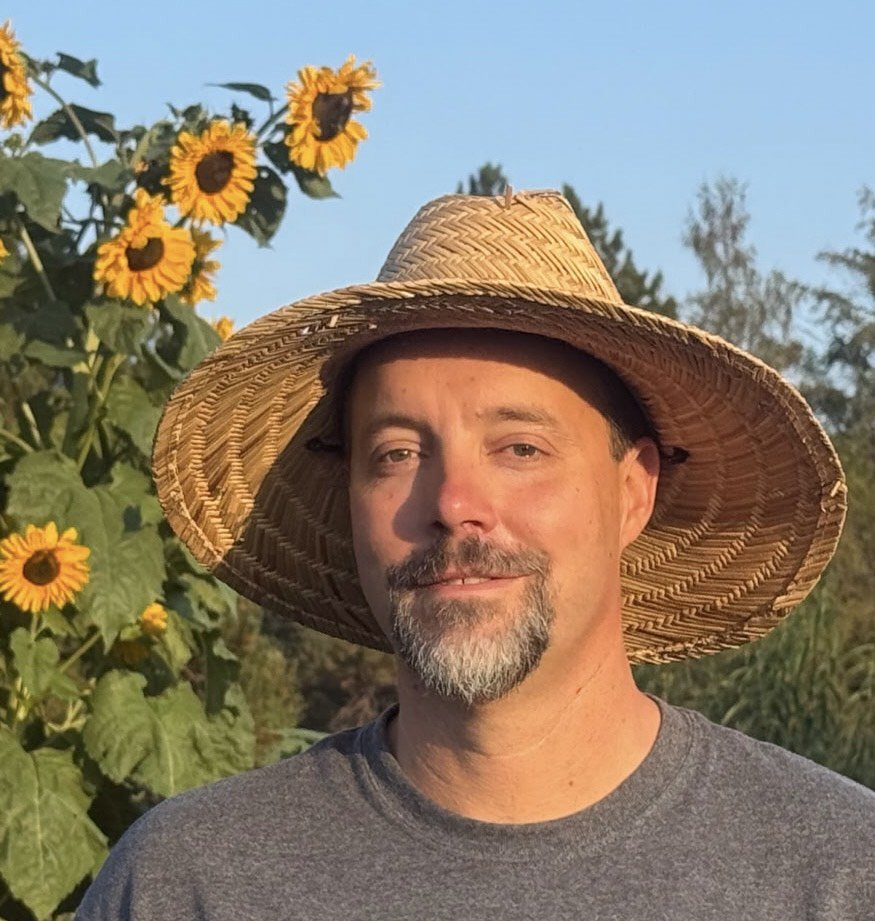
Mike Haasl promotes permaculture homesteading with an emphasis on high rewards for less effort. He teaches, writes and experiments with ways to homestead with a lighter footprint. He lives in northern Wisconsin and tends a big garden, greenhouse and flock of chickens.
Developing Customized Compost Teas
We will look at the process of testing a variety foods to enhance the growth and diversity of specific microorganisms like beneficial bacteria, protozoa, fungi and nematodes. For example, if your compost is low in fungi you can add fish hydrolosate to a compost extract that will favor the development of fungi.
Erik Harris
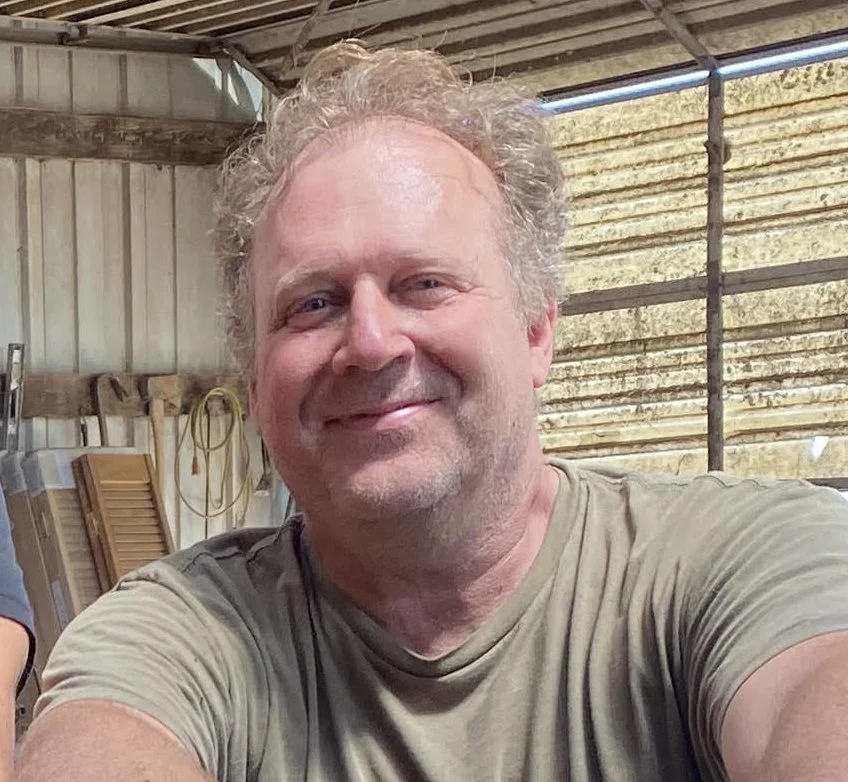
Erik is the technical director for Clear View Valley Regenerative Farms & Services. He is a practicing soil scientist and high school science teacher with a Masters degree in Biology, with a focus on plant-insect interactions. He is a certified Soil Food Web Soil Consultant and Lab Technician.
Hands on Biochar Workshop
Join Tony a workshop on biochar and how to make it at different scales.
Tony C. Saladino
Tony C. Saladino began his ecological journey learning to compost and honor the great outdoors from his grandmothers. This spawned a lifelong commitment to live closer to Mother Earth. In his formative years, he spent many hours with elders from both the Menominee and Oneida Tribes learning to look more deeply and listen to the natural cycles of life. When he was in College, he worked as a Summer Camp Counselor teaching Hobo Cooking and Foraging Skills to young people. In 1987, after saving for a year, working for Citizens for a Better Environment, he rode bicycle around all five Great Lakes teaching about what he called living lightly on the Earth. That was before the name sustainability had been coined. He came back to Green Bay to raise his three children and over twenty years ago, he learned about Biochar aka Terra Preta from his amateur interest in Anthropology and Archaeology. An obscure Portuguese text about Ancient Amazonian Black Earth, piqued his interest. Tony immediately started experimenting with production methods for char and the processes required to turn sterile, lifeless material into healthy soil. His presentations and teaching ever since have been focused on learning about and sharing this most important lost art/science so that others might learn to heal the soil, build the microbiome upon which all life thrives and to give back in significant ways to the greater community. This information has benefited and changed so many lives already, he is amazed that it has not garnered more attention. Making biochar takes time and loving effort. The results are unmistakable. tony would be honored for the chance to share with you some of what he has learned in his quest to learn to live lightly on the planet.
Panel Session: What Permaculture May Offer in an Uncertain Future.
Panel and group discussion about where we go from here in light of climate uncertainty and a contracting economic future. What might the future look like in different scenarios.
Bryce Ruddock & Permaculture Elders
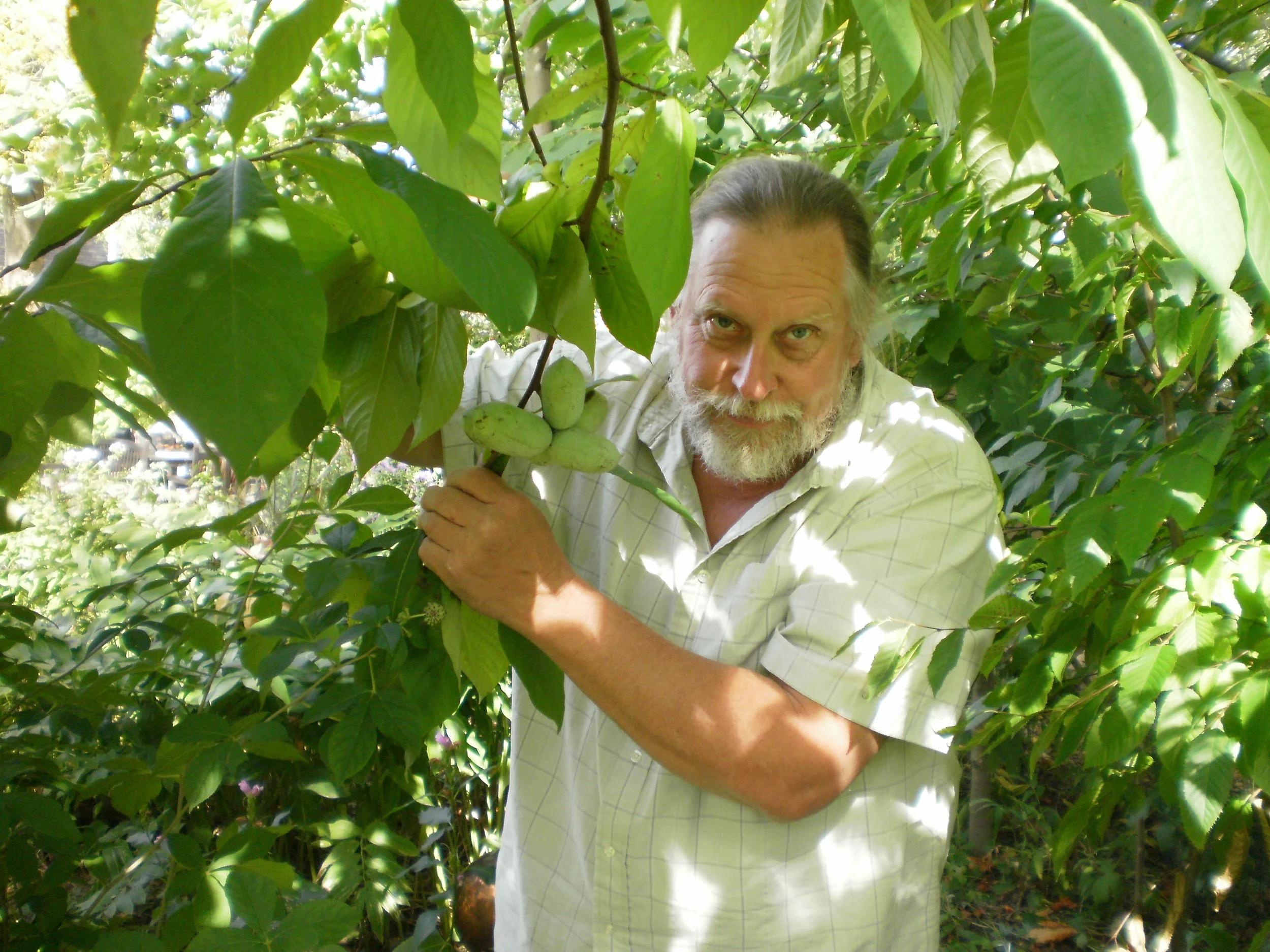
Long time Permaculture practitioner (1980). Co-author of Integrated Forest Gardening. Author of the Plant Guilds e book. Former researcher and editor at the Natural Capital Plant Database (permacultureplantdata.com). Board member at Great Rivers and Lakes Permaculture Institute. Almost as old as dirt.
Finding Your Permaculture Dream Land
Are you dreaming of owning land to start or expand your permaculture dream life? This session provides clear direction for creating your land buying criteria, methods for searching and how to apply your criteria and find the land that is best for you. Join us for an interactive experience of envisioning, exploring, learning and creating the steps to make your permaculture dream land part of your reality.
David Andrews
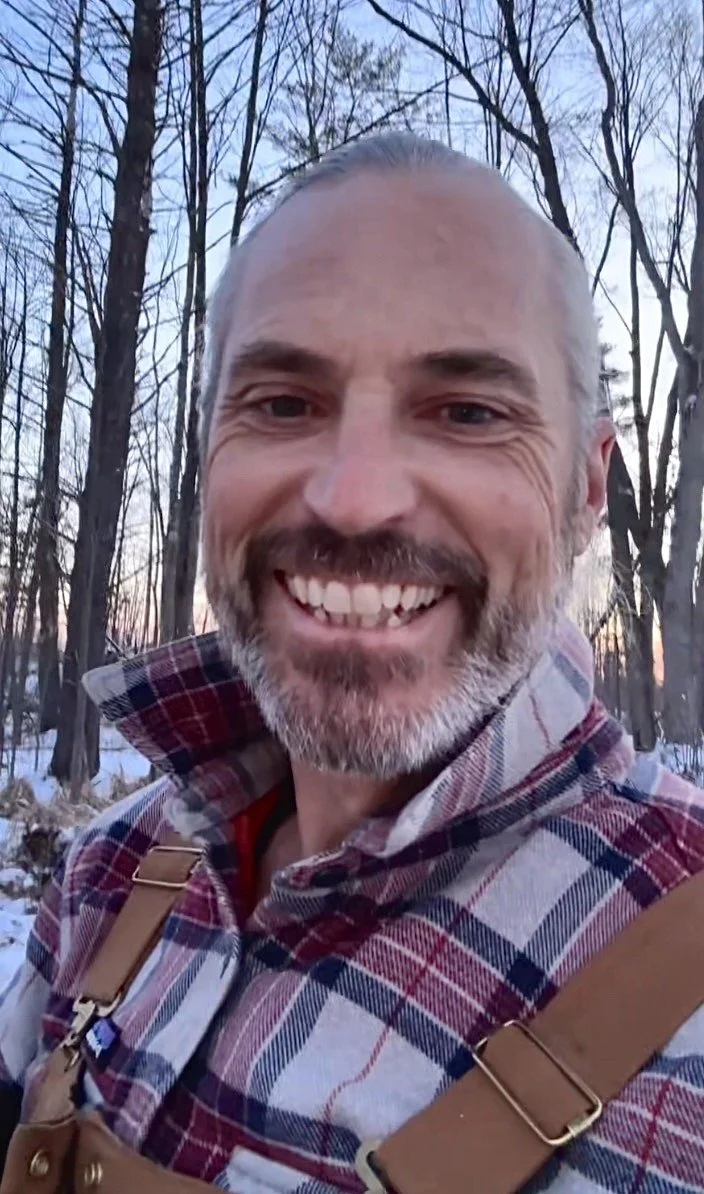
David Andrews is the owner operator of Majestic Life Farm near Bruce, Wisconsin. He is pioneering new and innovative farming practices using permaculture principles and a syntropic agroforestry method of growing food. He is also a rural land developer creating new small scale farming parcels for those who intend to build their own permaculture homestead. His vision includes many new neighbors who are creating their own spaces of love, growing food and living in harmony with nature. David also earns off-farm income as a leadership development coach for small business owners in the financial services industry. His mission is building sustainable small scale farming communities that function in harmony with pure principles where families can live in peace, raise children and thrive in abundance with nature.
Beginning horizontal and natural beekeeping methods
I'll share my perspective and current explorations on beekeeping methods that work with the nature of honeybees, as well as hives that can fit their needs (as well as the beekeepers). I'll talk about developing a system of beekeeping that fits oneself, differences between commercial migratory beekeeping and smaller scale / homestead beekeeping (stationary beekeeping), as well as how to build a horizontal top bar hive (I'll bring an example hive). Beekeeping doesn't have to be a complex endeavor that requires a lot of equipment. This can also shift into a facilitated discussion, so bring your experience and join the conversation!
Derek Nedveck
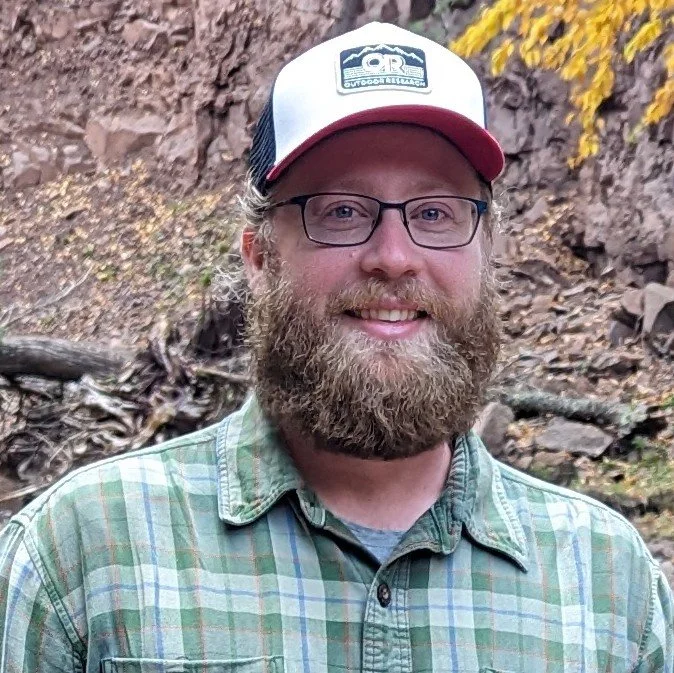
Derek Nedveck lives south of Madison on his parents farm, which he transitioning from a retail plant nursery into a diversified farm using successional agroforesty, beekeeping, with a focus on value-added, artisanal products. He has been beekeeping with his Dad since middle school, following methods that his Dad used in commercial migratory beekeeping for pollination contracts. He is currently investigating methods that are lower input / effort and that allow bees to exhibit more of their natural behavior.
Beyond the Veggie Garden
Explore growing, harvesting, processing, and cooking Midwestern staple crops such as legumes, nuts, seeds, and gluten-free grains. For the adventurous vegan gardener or cook.
Larisa & Bob Walk & Dahse
Larisa Walk and her husband Bob Dahse live in a solar-powered, straw-bale home they built south of Winona, Minnesota. In their 4+ decades together they've homesteaded entirely “off grid”. They coauthored the book “Feeding Ourselves – The Four-Season Pantry from Plant to Plate.”
Eating Year-Round from the Garden
Strategies for extending the harvest and planning on local food throughout the seasons.
Larisa & Bob Walk & Dahse
Larisa Walk and her husband Bob Dahse live in a solar-powered, straw-bale home they built south of Winona, Minnesota. In their 4+ decades together they've homesteaded entirely “off grid”. They coauthored the book “Feeding Ourselves – The Four-Season Pantry from Plant to Plate.”
Successful environmental activism in the drift less region a fifty year history
summaries of the history of successful grassroots environmental activism
Jack Knight
Lifelong driftless region resident following think globally act locally sensibilities 73 years old veteran tree planter and forester, farm worker, including a variety of horticulture landscaping, building salvage, homesteader, retired organic inspector and 20 plus years experience on a wide variety of public and non profit boards of directors on a wide variety of environmental, economic development , conservation , farming issues. Instrumental in starting food. coops in the Midwest. Jack took his permaculture course with Micheal Pularski in 1989.
Permaculture and Bioregionalism: Planning for Survivable Spaces
In this session participants will learn an introduction to Bioregionalism as it relates to permaculture principles and ethics. We then explore how the Design School for Regenerating Earth supports organizing bio-regionally through global and regional online meetings, in-person immersions, a PDC, and other learning journeys related to governance, finance and other structures.
Karen Lemke
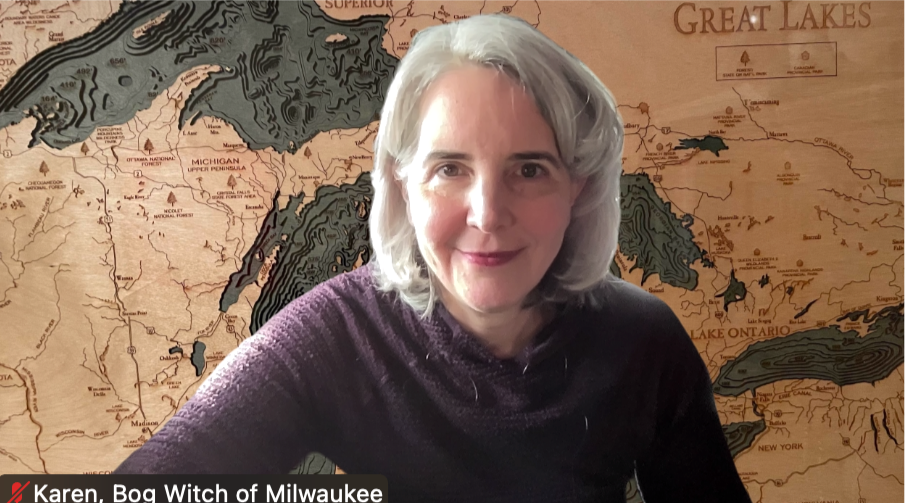
Dr Karen Lemke, PDC has been organizing bio-regionally through the Design School for Regenerating Earth since 2024. An educator and artist, Karen developed the Bog Witch as a futuristic storyteller who uses permaculture to rebogify Milwaukee, harvesting stories of what we are doing today to make a survivable future seven generations hence. Karen's weekly podcast/radio show can be found on RiverwestRadio.com, and Bog Rants appear irregularly on https://substack.com/@bogwitch414. The League of Women Voters for Milwaukee County hosts quarterly walk and talks, where the Bog Witch and others explore local parks/public lands. Karen serves as the Interleague liaison with other Lake Michigan area organizations.
Your Home as a Living System: Building Biology for Healthy Homesteads
Explore the home as a living ecosystem through the practical lens of Building Biology. Discussing ways to examine, measure and mitigate pollutants from air, moisture, materials, light, sound, water, and electrical environments, then create a practical checklist for healthier homesteads and future design projects.
Clay Ruby
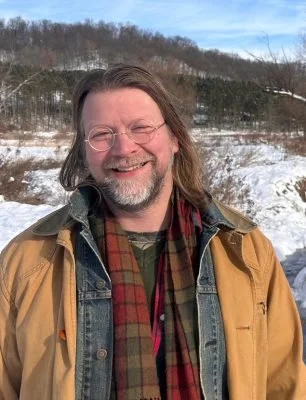
Clay Ruby, BBEC, EMRS, BBNC, BBID is a Building Biology Institute seminar instructor with formal training across all four of the Institute’s professional certification tracks, encompassing indoor environmental quality, healthy new construction, and electromagnetic radiation. He also helped pioneer the Institute’s Building Biology Interior Design specialization, bringing a multidisciplinary and practical approach to the relationships among human health, buildings, technology, and ecology.
Light Straw Clay & Earthen Plaster Demonstration
Get your hands dirty and experience the satisfying process of building with natural materials. In this hands-on workshop, we'll use two conventionally framed sheds to demonstrate how light straw clay can create a breathable, insulative wall system that's ready for a beautiful earthen plaster finish. You'll learn how to mix clay slip, prepare and install the straw clay infill, and make and apply a natural clay plaster. A volunteer work party a few weeks before the Convergence will complete a portion of the wall infill so it has time to dry for plastering, while several walls will be intentionally left unfinished so participants can experience installing the light straw clay themselves. By the end of the session, you'll have worked with both stages of the process and gained practical skills for incorporating these simple, time-tested materials into your own building projects..
Amanda Rindal
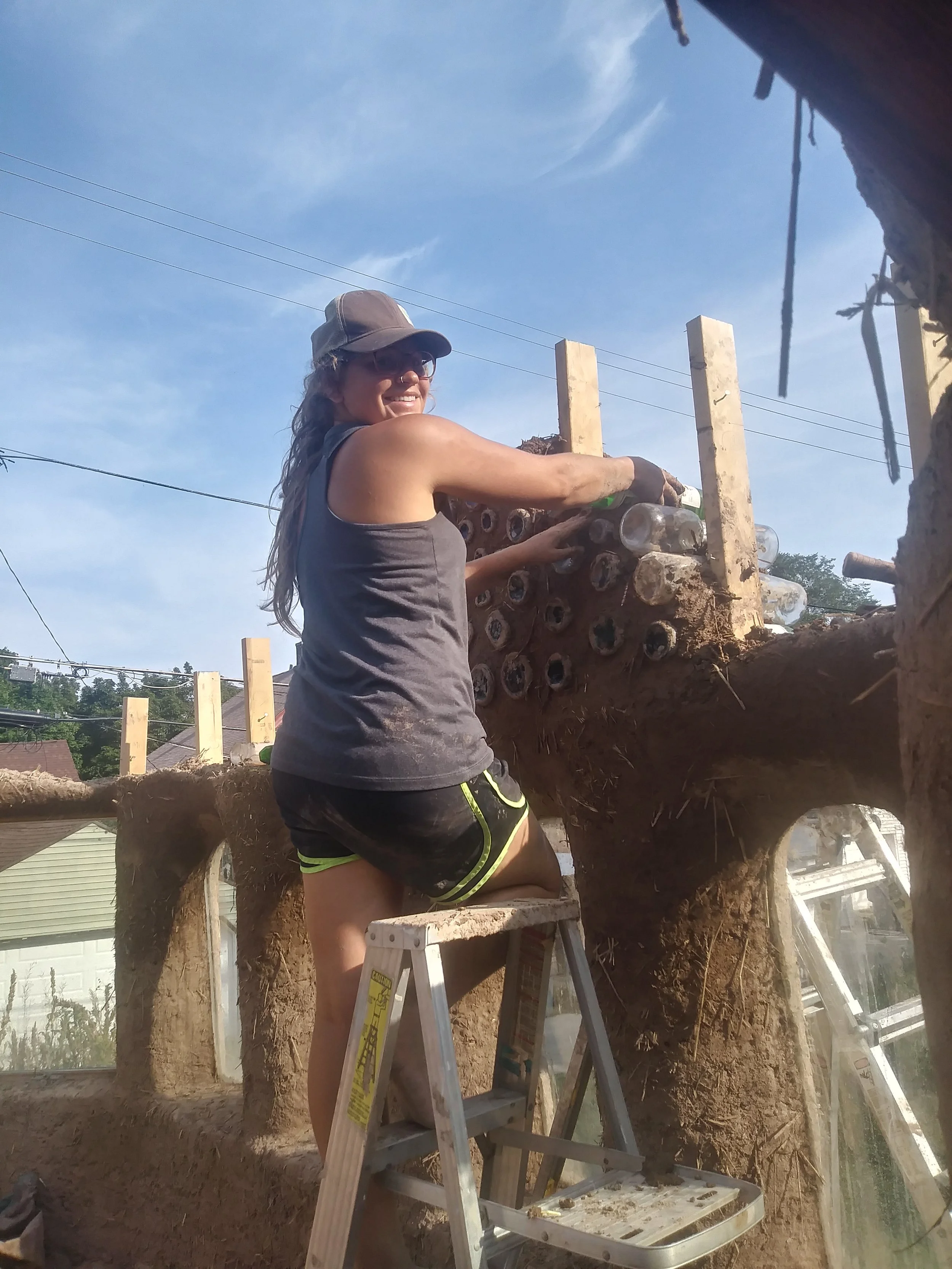
Amanda Rindal is an acupuncturist, gardener, natural builder, and Permaculture practitioner with a passion for creating healthy spaces using abundant, local materials. She earned her Permaculture Design Certificate in Australia in 2015 and has spent more than a decade exploring regenerative gardening, natural building, and ecological design. Amanda built a cob house from the ground up in her backyard, complete with a rocket mass heater, and has led previous workshops on earthen plasters and rocket mass heater construction. She enjoys sharing practical, hands-on skills that empower people to build in ways that are healthy, accessible, and deeply connected to the natural world.
PARADISE GARDENING NOW MORE THAN EVER
Drawing on the ideas of Joe Hollis's writing about paradise gardens and Alan Kapuler's work with Kinship Gardening this session will cover possible theoretical frameworks for recognizing and engendering a paradise of biodiversity integrated with examples of which fruits, nuts and berries were most productive in the Driftless area.
mIEKAL aND
mIEKAL aND has lived at Dreamtime Village in West Lima, Wisconsin since co-founding it in 1991, where he has spent 35 years converting worn-out Driftless hill farmland into a paradise garden he calls BEYOND. Working with the region's steep ridges and cold-hardy limits, he has built up a densely layered edible landscape of rare and unusual fruits, nut trees, and perennial polycultures, integrated with wild foraging, fermentation, and seed saving. His approach treats paradise gardening as a distinct practice within permaculture — less about yield per acre than about designing a landscape you can live inside of, graze from, and co-evolve with over decades.
His essay "Hyper Wilderness / Hyper Culture," published in Avant Gardening: Ecological Struggle in the City and the World, lays out his vision of paradise gardening as ecological repair through imagination — a response to a planet in genetic crisis, worked out one planting at a time. At Dreamtime, that vision has run alongside the community's experiments in hypermedia and DIY culture, including his own work as a poet and publisher at Xexoxial Editions, all of it proceeding from the same conviction: that abundance is something you compose.
High-density, "Hybrid-swarm", Chestnut Planting in the Upper Midwest
Learn the about the high-density chestnut seedling growing methods developed by Philip Rutter at Badgersett Nut Tree Research Farm over decades. Dusty Hinz lived and worked there in 2018 and now has his own planting implemented with the same strategy.
Dusty Hinz
Dusty Hinz is a co-founder of the Experimental Farm Network seed company. EFN offers a diverse selection of over 700 different seed varieties from 70+ growers across the country. EFN specializes in genetically-diverse seed populations and perennial edible plants of all kinds, with a focus on adapting to climate change and building resilient farming systems that build soil and sequester carbon.
English Hedgelaying Demonstration and Design
While hedgelaying season doesn't actually begin until autumn, MJ will be demonstrating the ancient technique to add to your for off season to-do list! This pruning technique creates thick, dense hedgerows and it comes with an incredible backstory. Hedgerow design with native woodies will also be discussed and imagined for the landscape on-site.
MJ Oviatt
MJ Oviatt has run the gamut of horticulture-based jobs: veg farming, cut-flower production, agroforestry installation and management and urban gardening. With passions centered on biodiversity and ecological restoration she aims to share her love for the weird and wonderful. Former agroforestry educator for Savanna Institute, MJ is now Spiritelli Hedges, bringing hedgerow design and hedgelaying techniques from Devonshire, England to the USA. Based in Central Missouri.